Baltimore Multifamily Shines During the Pandemic
Yannik Cudjoe-Virgil
Overview
Despite the COVID-19 pandemic's challenges, Baltimore's multifamily market demonstrated resilience and strength. The city's diverse employment base—anchored by federal government, education, and healthcare sectors—positioned it well compared to national trends.
Historical Resilience
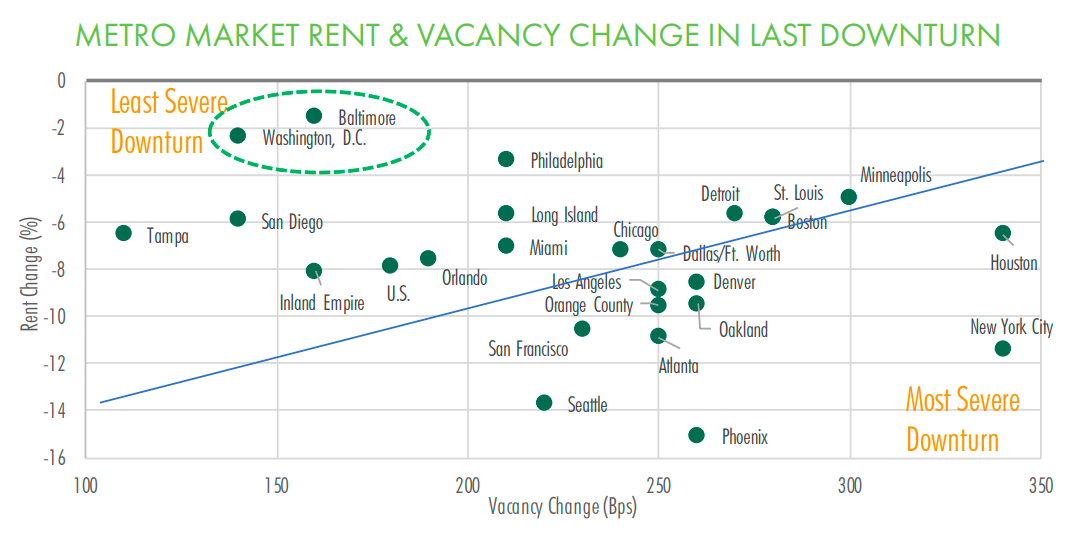
Following the Great Recession, Baltimore ranked as the top market with least-impacted rent growth and recovered in six quarters versus the national average of twelve quarters. Baltimore ranked 8th nationally for lowest unemployment at 8.0% by June 2020, significantly better than the 11.2% national rate.
Rent Growth Dynamics
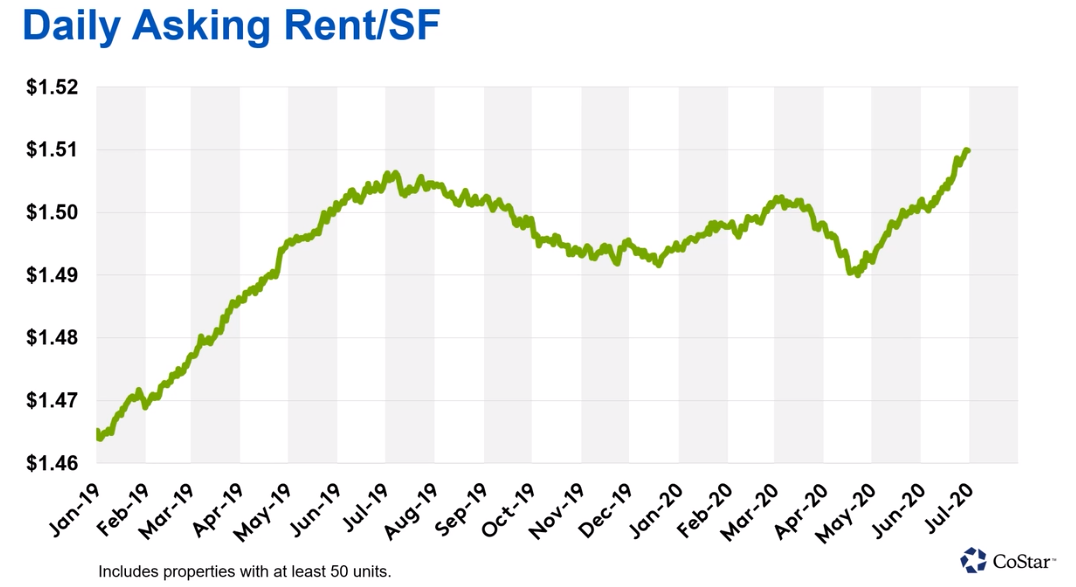
Effective rents increased 1% quarterly through Q3 2020, following a brief 30–45 day dip when pandemic lockdowns began.
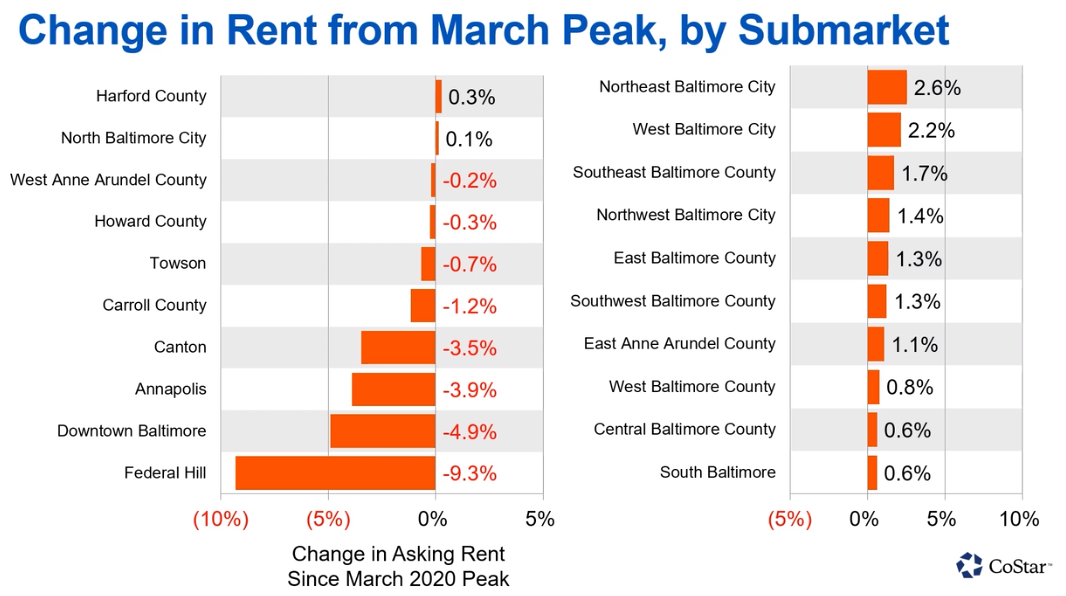
Growth patterns varied by submarket:
- Downtown Baltimore and Class A areas: Experiencing rent declines due to heavy development pipelines (over 3,200 units completing by year-end) and urban flight migration patterns
- Northeast and West Baltimore: Registering 2%+ rent gains through Q3, driven by affordability and minimal new supply
Occupancy Metrics
Baltimore maintained a steady 94% occupancy rate by September 2020. Affordable properties achieved 95.1% occupancy. Concessions increased initially but declined by Q3, with only 4.8% of affordable properties offering incentives versus 14.1% in market-rate properties.
Labor Market Strength
By July 2020, unemployment had improved to 7.7%, with August preliminary rates at 6.6% versus 10.2% and 8.4% nationally. The city had recovered from job losses, with unemployment declining from its April peak above 10%.
Yannik Cudjoe-Virgil
Interested in Partnering with HD Multifamily?
We work with a select group of family offices, HNWIs, and institutional allocators. Introductory calls are available with our principals.
Schedule a Call