Anatomy of an Exit: How Gleneagle Residences Survived a Rate Shock and a Global Pandemic to Protect Investor Capital
HD Multifamily
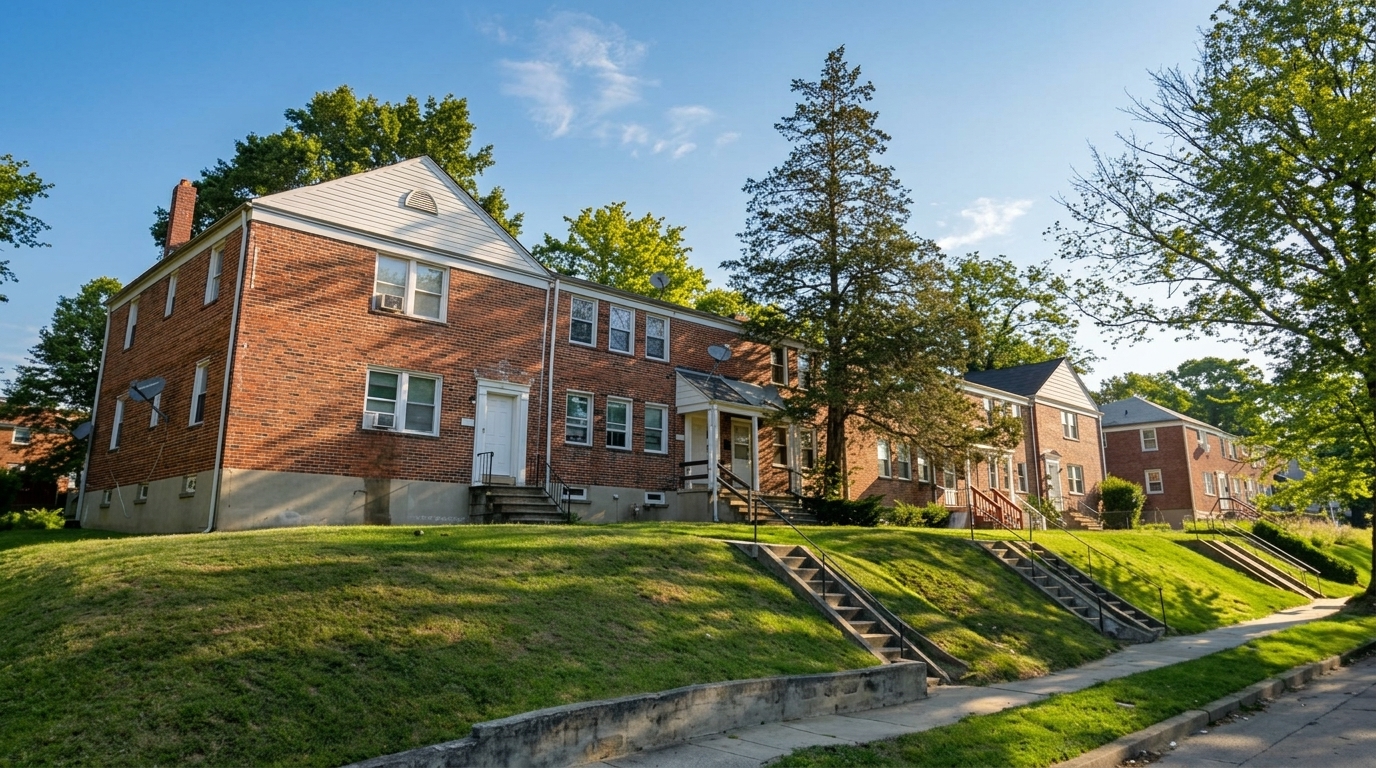
An operator's track record is most legible during a disposition that did not go as planned. Any GP can narrate a deal that performed to plan; the more instructive test for an institutional allocator is how a manager structures a transaction for optionality before conditions change, and how that manager behaves once they do. This post examines a completed disposition from HD Multifamily's portfolio in which a structural decision made at acquisition, not a favorable market, ultimately determined the outcome for investors.
The Acquisition Thesis and Structural Foresight
Our firm acquired Gleneagle Residences, an 18-unit duplex portfolio in Baltimore, in September 2021 for a purchase price of $1,325,000. The property was underperforming at acquisition, and the original business plan called for a full renovation program across all 18 units, rent growth to market, and operational stabilization — a conventional value-add thesis for the firm's Baltimore workforce housing segment.
The decision that most shaped the eventual outcome was made before renovation began. At acquisition, we negotiated loan terms with our local credit union lender that offered a partial collateral release provision. That meant that each of the nine duplexes could be individually sold and released from the loan, rather than requiring a single sale of the entire portfolio. At the time, this provision was underwritten as downside protection and exit flexibility, not as the primary disposition strategy. It would later become the mechanism that protected investor capital when market conditions diverged from the original plan.
Execution: A Renovation Program That Delivered
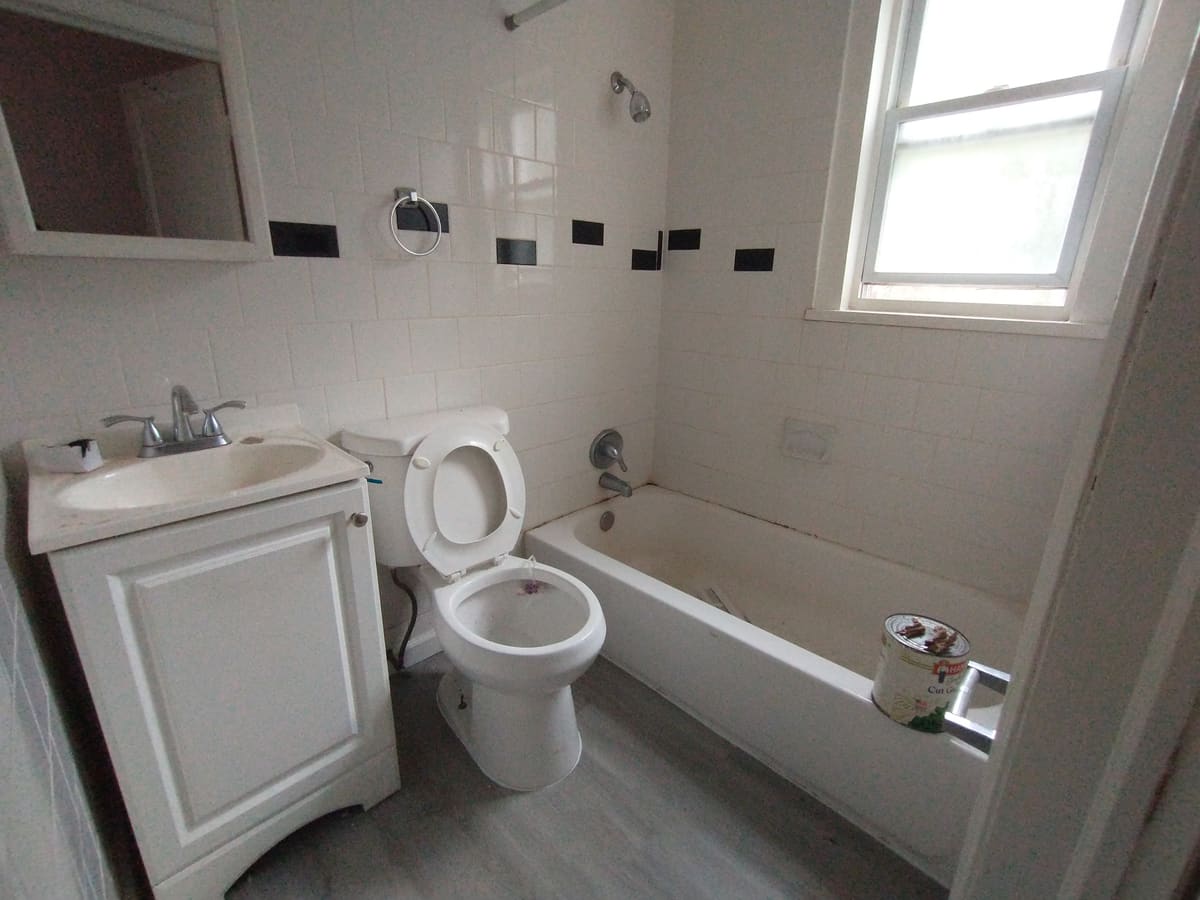
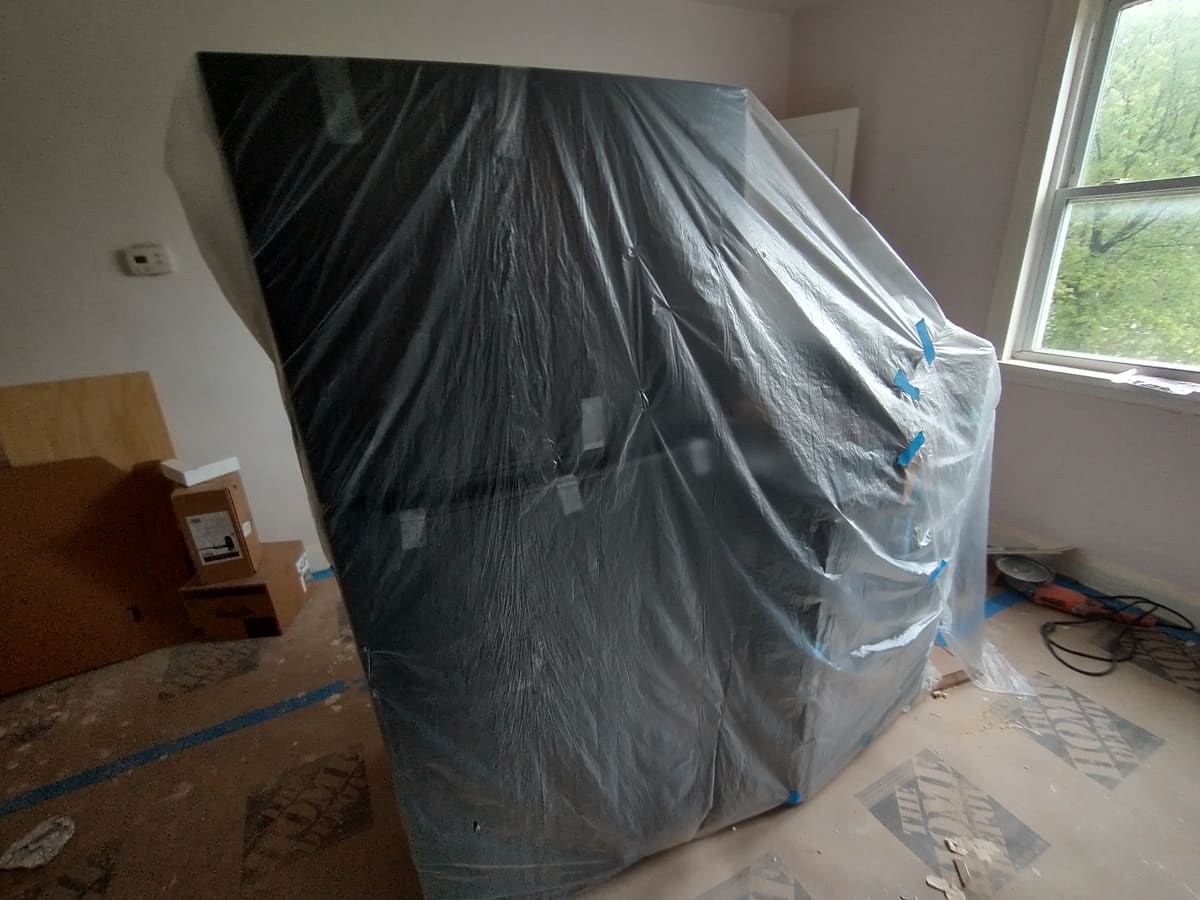
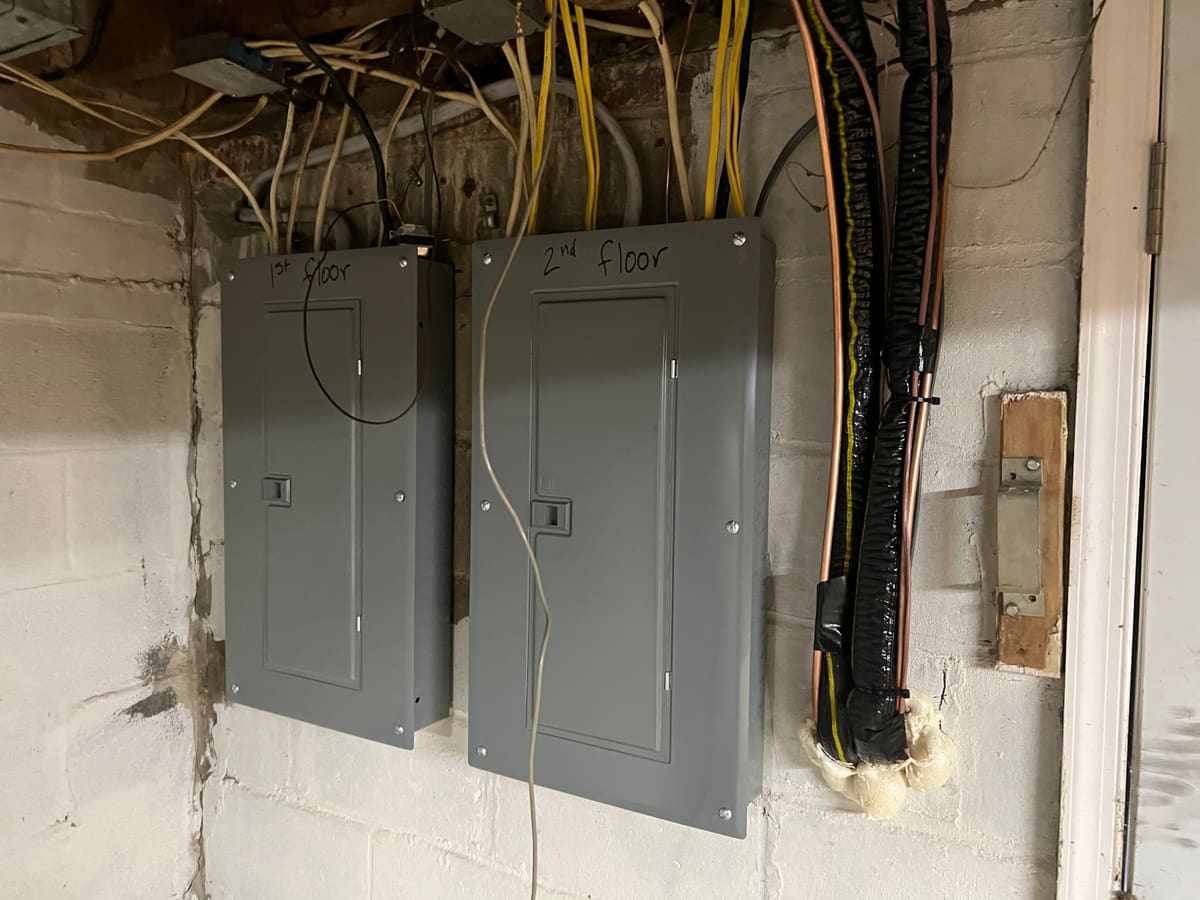
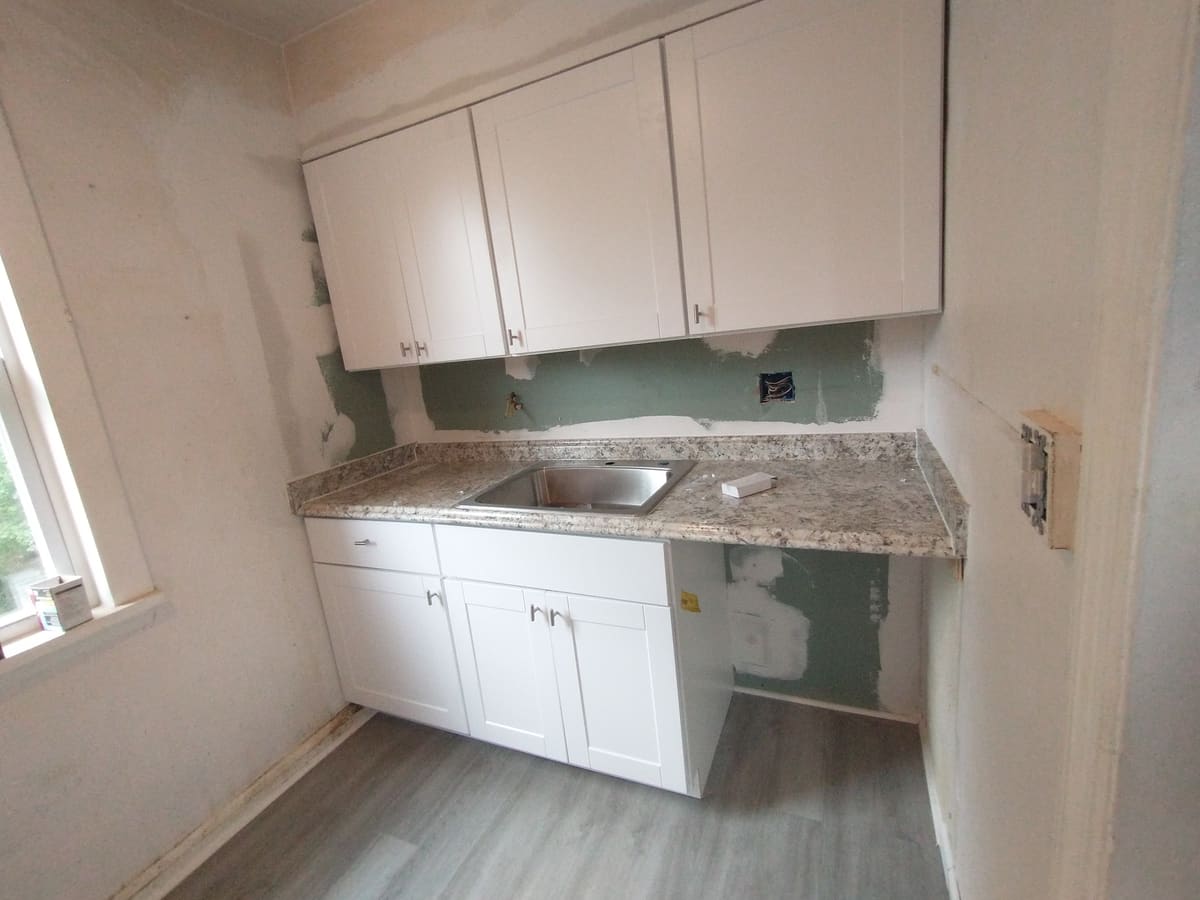
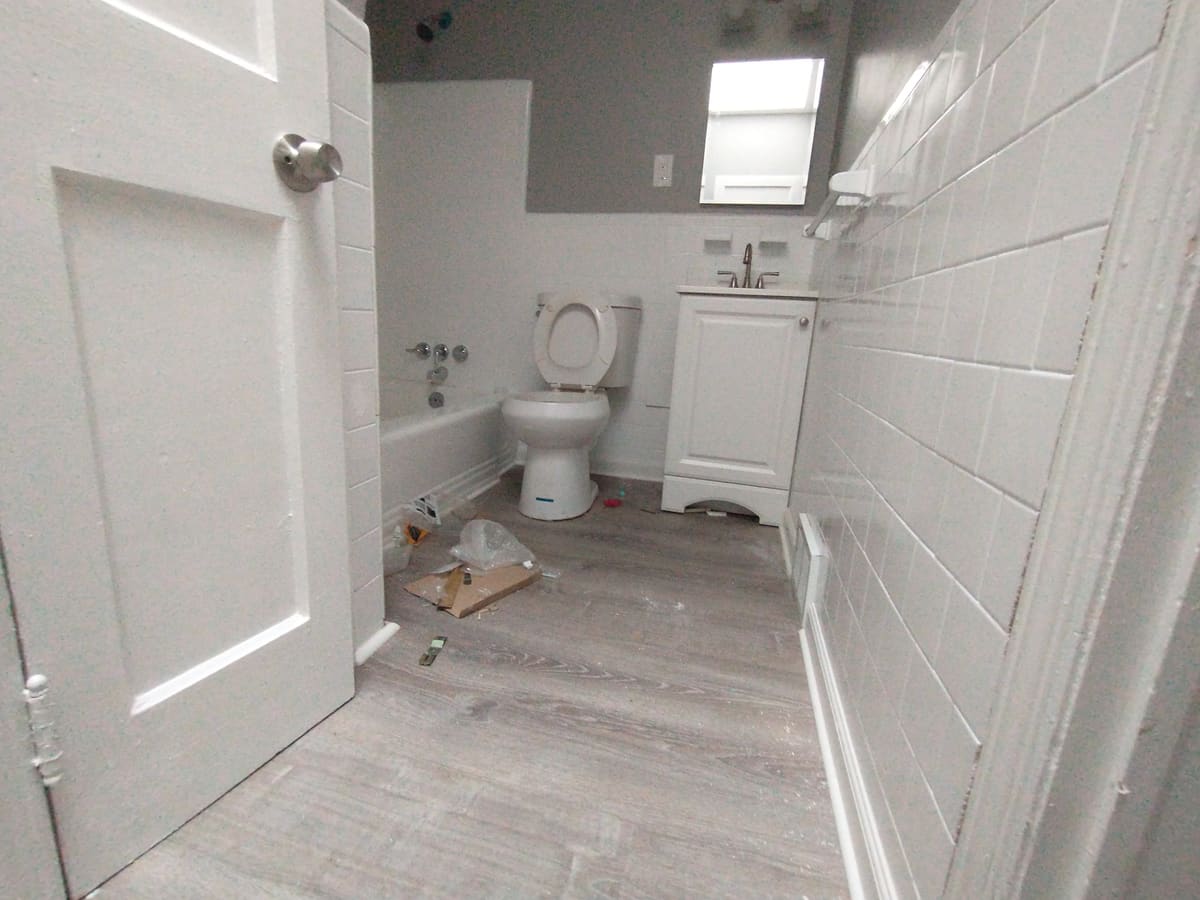
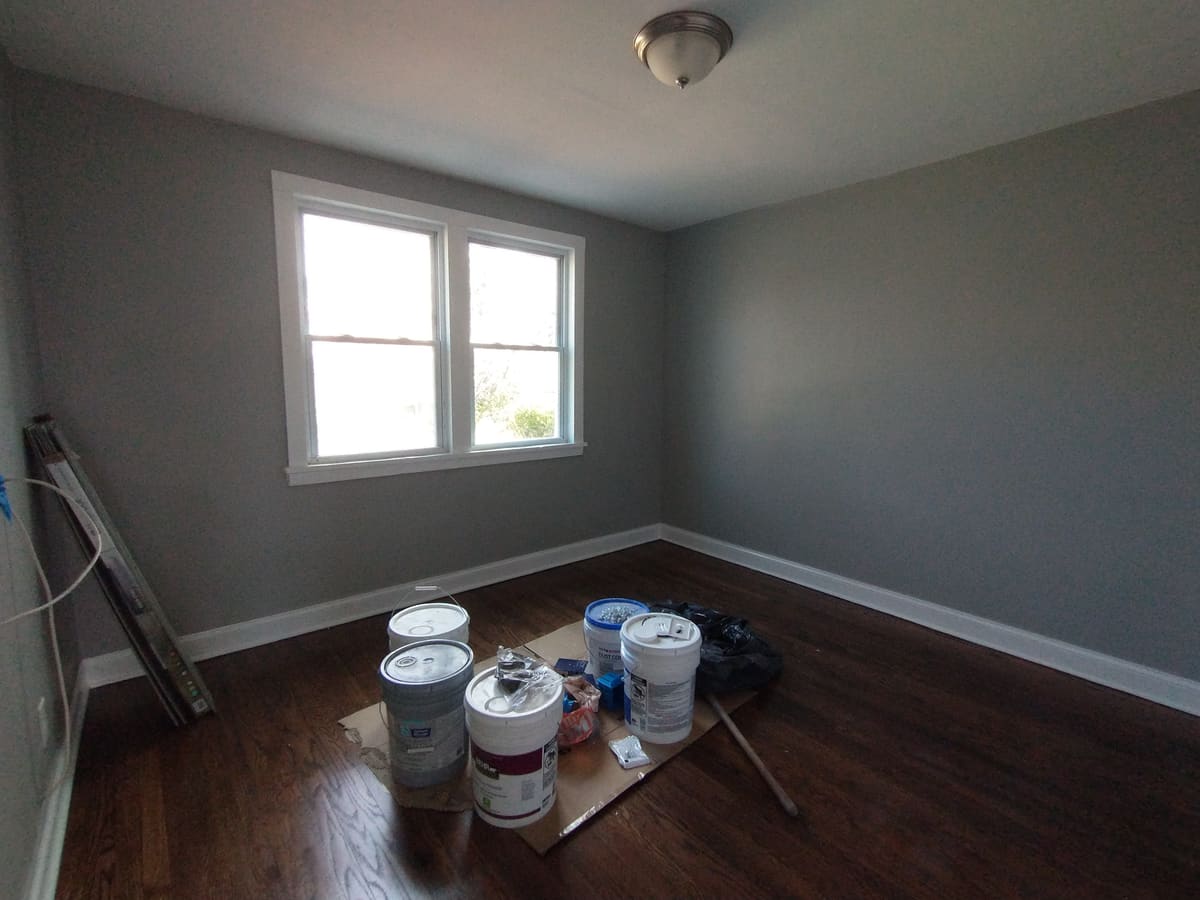
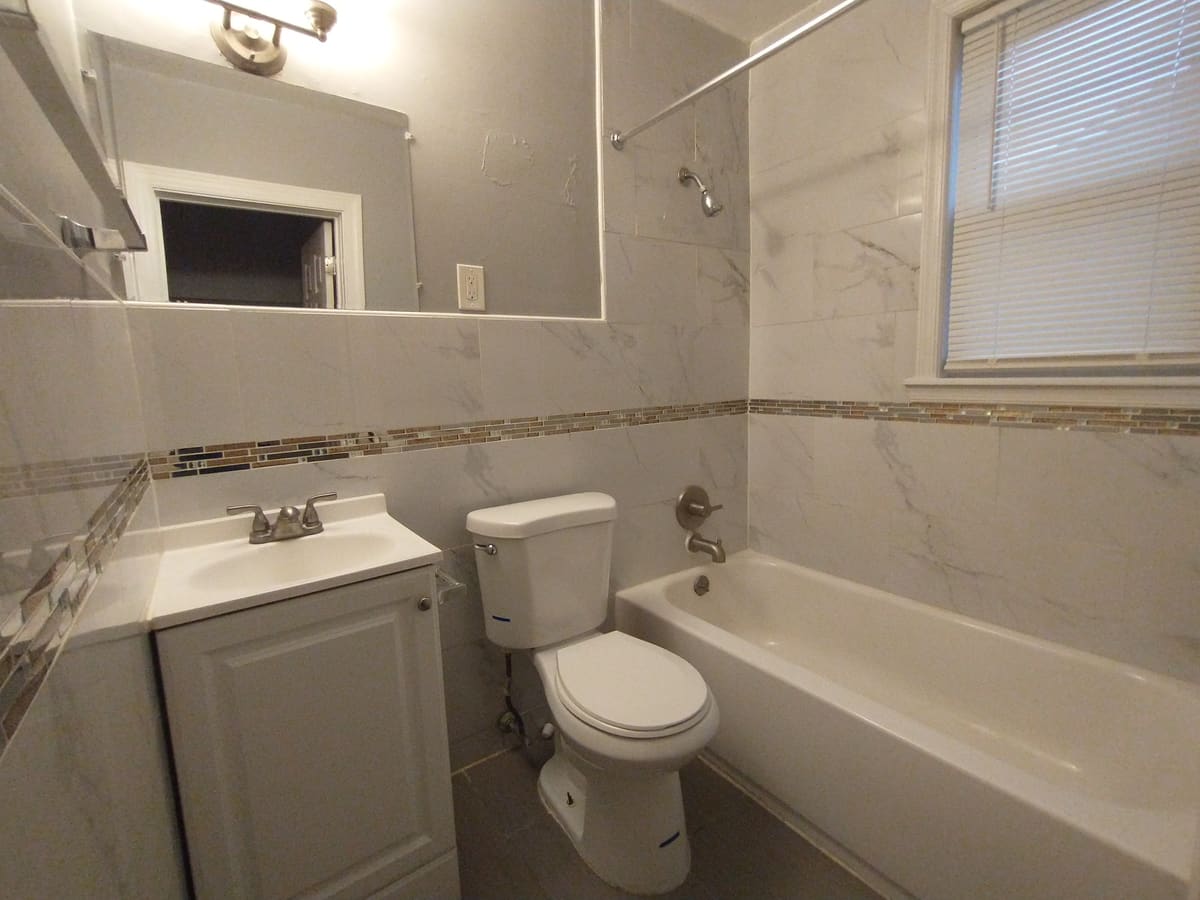
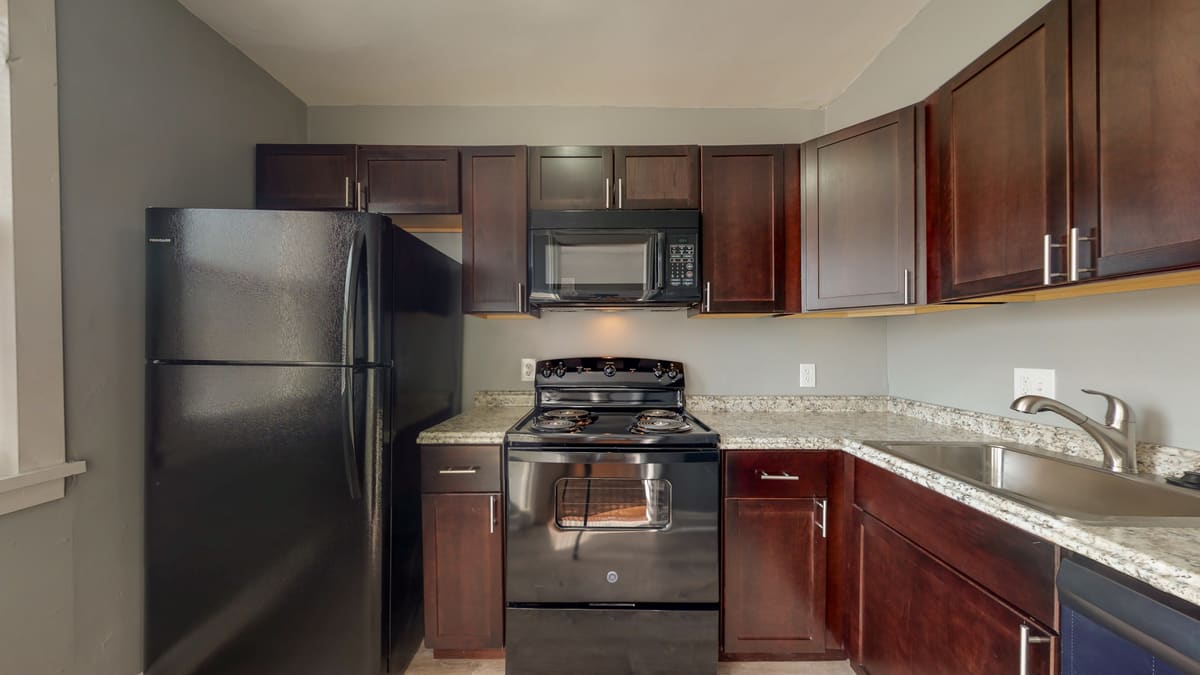
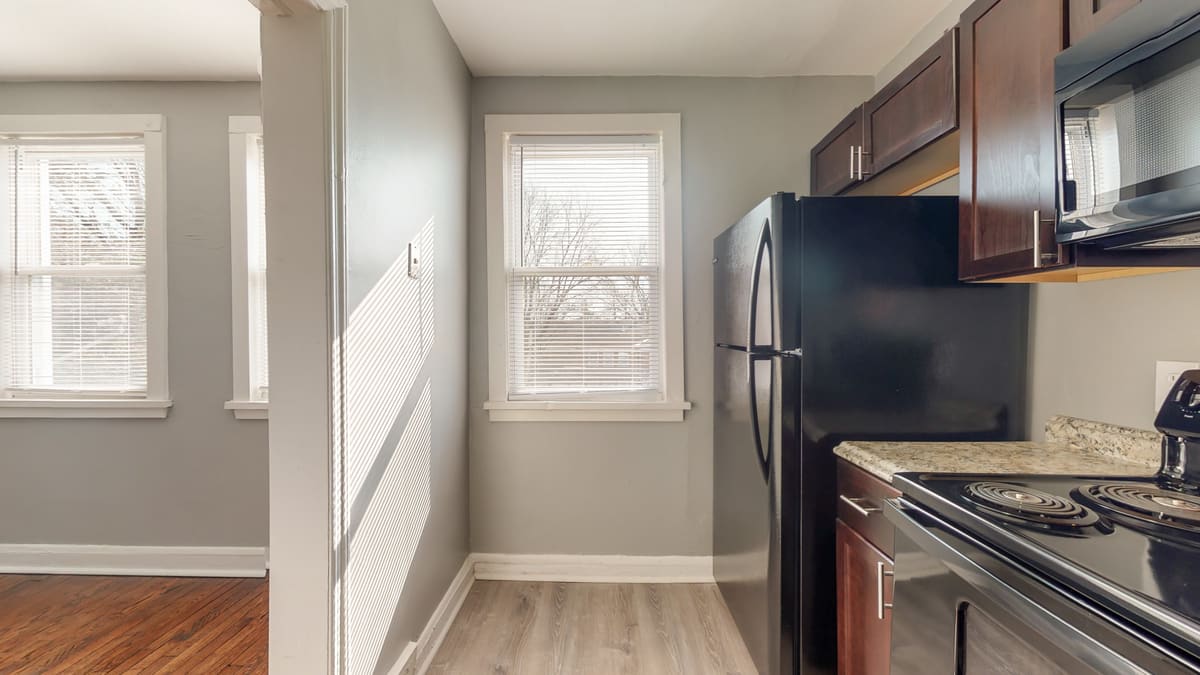
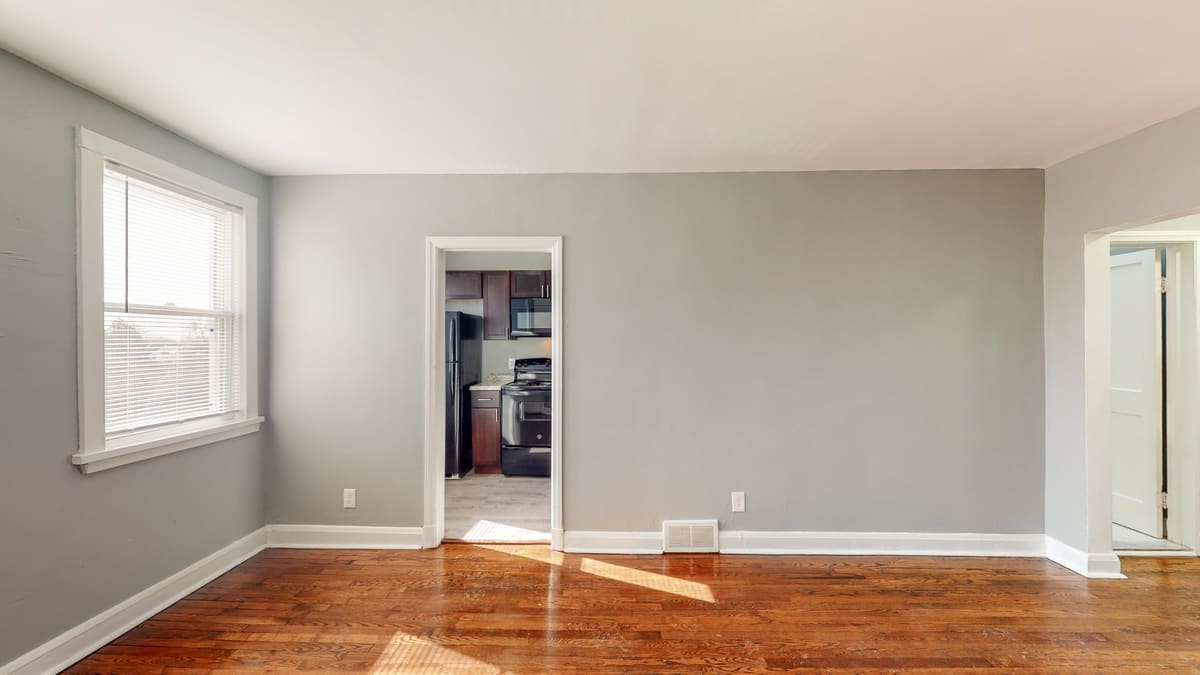
The operational side of the business plan performed as underwritten. We managed our own renovations. All 18 units were transformed with new kitchens, bathrooms, refinished floors, upon turnover. We achieved rents that met, and in a number of cases exceeded, our original underwriting assumptions. On the three measures we hold every value-add acquisition to (occupancy recovery, rent-to-market execution, and expense discipline), the renovation and stabilization phase of this project succeeded on every count. The variance that ultimately affected returns did not originate in execution. It originated in the capital markets.
The Market Shifted Underneath the Asset
Beginning in March 2022, the Federal Reserve raised its benchmark rate by approximately 500 basis points over roughly the following 14 months (Federal Reserve H.15 release, 2022–2023). The effect on commercial real estate valuations was direct: cap rates widened as debt costs rose, and commercial buyers underwriting to a levered return target could no longer pay what they would have paid at acquisition-era rates for the same in-place income. Multifamily owners nationally were also managing the tail end of COVID-era eviction moratoria, elevated delinquencies in some markets, and rising operating costs — a materially different operating and transaction environment than the one we underwrote to in 2021.
A single whole-property commercial sale executed in that environment, would have priced the asset against a wider cap rate and a smaller pool of commercial buyers. That was the scenario the partial collateral release provision was designed to avoid.
The Adaptive Exit: Individual Owner-Occupant Sales
Rather than market Gleneagle Residences as a single commercial portfolio into a softened investor-buyer market, we pivoted to marketing the nine duplex buildings individually to owner-occupant buyers. The thesis: an owner-occupant purchasing one duplex building, living in one unit, and renting the second could access conventional residential mortgage financing and offset a meaningful share of their monthly payment with rental income. That buyer profile was not underwriting to a commercial cap rate, and as a result could pay more per building than a commercial investor pricing the same asset on in-place NOI.
We tested this thesis with an initial for sale listing in March 2024. That first building traded in under two months, well within the timeline we expected for a well-priced residential listing and materially faster than a comparable commercial process in that rate environment. The speed and pricing of that first sale validated the owner-occupant thesis, and we proceeded to market and sell the remaining eight buildings sequentially over the following months, applying the lessons of the initial sale to pricing and marketing on each subsequent listing.
The Result: Capital Preserved, Returns Below Target
The disposition produced total portfolio proceeds of $2,475,000 across the nine individual property sales, against the $1,325,000 acquisition price. The hold period ran approximately 4.5 years, against an original underwriting projection of approximately 4 years.
The final return delivered to investors came in materially below our target projections. We're stating that directly. The rate environment beginning in 2022 compressed the return this asset was capable of generating relative to the assumptions underwritten in 2021, regardless of how well the operational business plan was executed. What the partial collateral release provision and the adaptive disposition strategy accomplished was a full preservation of invested capital and a positive outcome for investors in a transaction environment where an inflexible exit structure could plausibly have produced a materially worse result.
What This Illustrates
For an institutional allocator conducting GP due diligence, the relevant question is rarely whether every transaction in a manager's portfolio hits its original underwriting. It is whether the manager structures transactions to retain optionality against conditions that cannot be predicted at acquisition, and whether the manager's disposition decisions under stress are disciplined or reactive. The release provision in this transaction was negotiated 18 months before the Federal Reserve began raising rates. It was not a response to the rate environment — it was a structural safeguard put in place without knowing it would be needed. The disposition strategy that followed was an adaptive response built on that safeguard, tested with a single sale before being applied across the remaining portfolio, and executed sequentially rather than as a forced single-event sale.
HD Multifamily is a Baltimore-based multifamily private equity firm focused on value-add acquisitions in the B and C-class workforce housing segment across Mid-Atlantic markets. The firm structures each acquisition as a standalone Reg D 506 special purpose vehicle and evaluates loan terms at acquisition for the exit flexibility they preserve, not only the terms that govern the hold period. Institutional allocators reviewing the firm's approach to deal structuring and disposition management are welcome to schedule an introductory call.
Past performance is not indicative of future results. Target returns are projections only and may differ materially from actual outcomes. Investment in real estate involves risk including possible loss of principal.
HD Multifamily
Last updated: August 6, 2026
Interested in Partnering with HD Multifamily?
We work with a select group of family offices, HNWIs, and institutional allocators. Introductory calls are available with our principals.
Schedule a Call